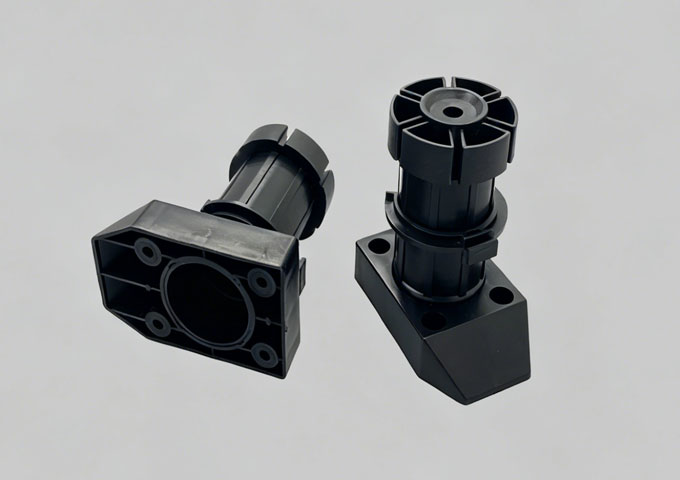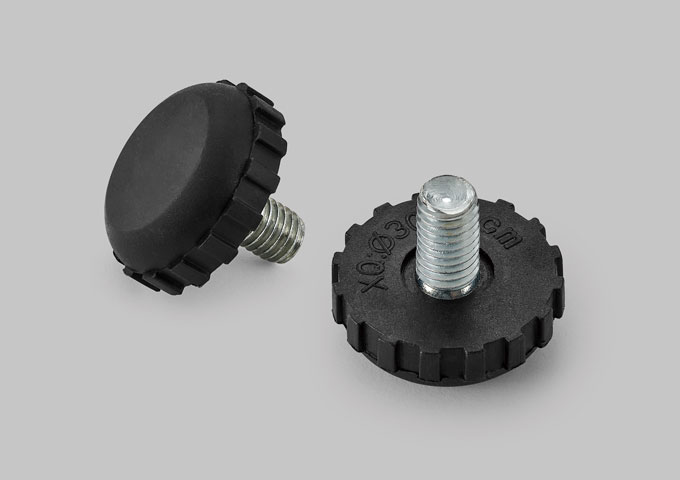

Shelf supports are indispensable hardware in modern cabinets and storage systems, bearing the three core functions of support, adjustment, and load-bearing, directly determining the stability, adjustability, and lifespan of the shelves. Sichuan Huaguang Intelligent Hardware Technology Co., Ltd. originated from Sichuan Samsung Huaguang Decorative Materials Co., Ltd., established in 1994. With over 30 years of deep cultivation in the hardware industry, it is a professional intelligent hardware enterprise integrating R&D, production, sales, and self-operated export. Its high-end brand MeiKi is renowned globally for its precision intelligent manufacturing, with products exported to Europe, Southeast Asia, Central Asia, South America, and other regions, earning the trust of customers at home and abroad. This article gives you a comprehensive understanding of shelf supports: definition, working principles, optimal installation positions, and common installation errors to help you choose, install, and use them correctly.
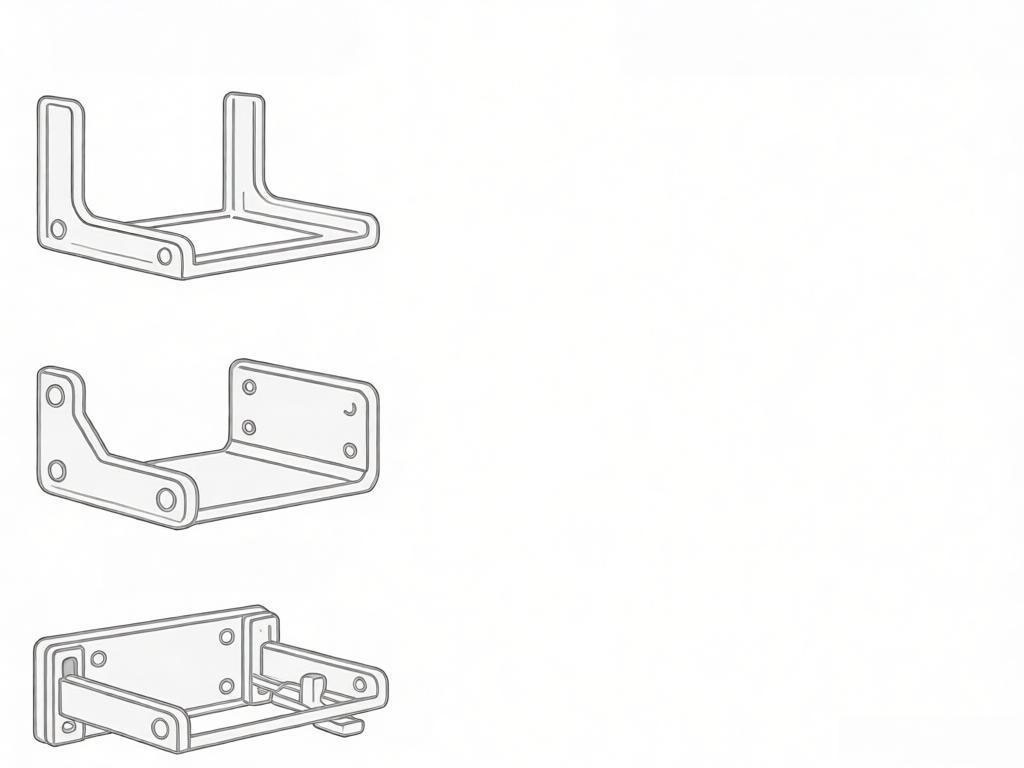
Diameter specifications: 5mm, 6mm, 7mm, 8mm (global standard sizes)
Materials: Nickel-plated steel, zinc alloy, high-strength ABS plastic
Load-bearing capacity: Metal supports 20–50kg per pair; plastic supports 5–15kg per pair
Cylindrical: Simple and invisible, suitable for light to medium load cabinets and bookshelves
L-shaped bracket: Heavy-duty and stable, anti-fall, suitable for industrial cabinets and heavy-duty storage cabinets
Spoon type: Large contact area, preferred for kitchen cabinets, easy to clean
Lock type: With barbs to prevent falling, suitable for vibrating environments and safety cabinets
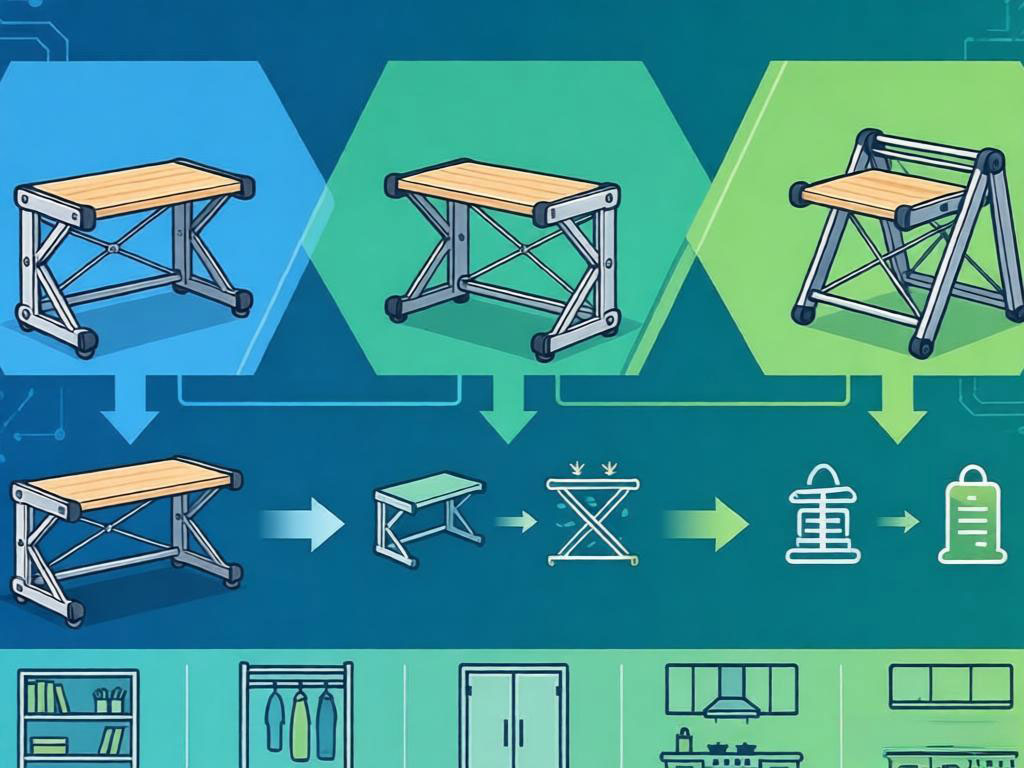
Precise insertion: The shelf support is inserted into a 5–8mm pre-drilled hole in the cabinet to form a strong fulcrum
Load distribution: The weight of the shelf is evenly transferred to the side panels of the cabinet, avoiding local stress concentration
Stable anti-fall: Metal supports are fixed by friction, while lock types are secured by barbs to prevent falling, ensuring long-term use without loosening
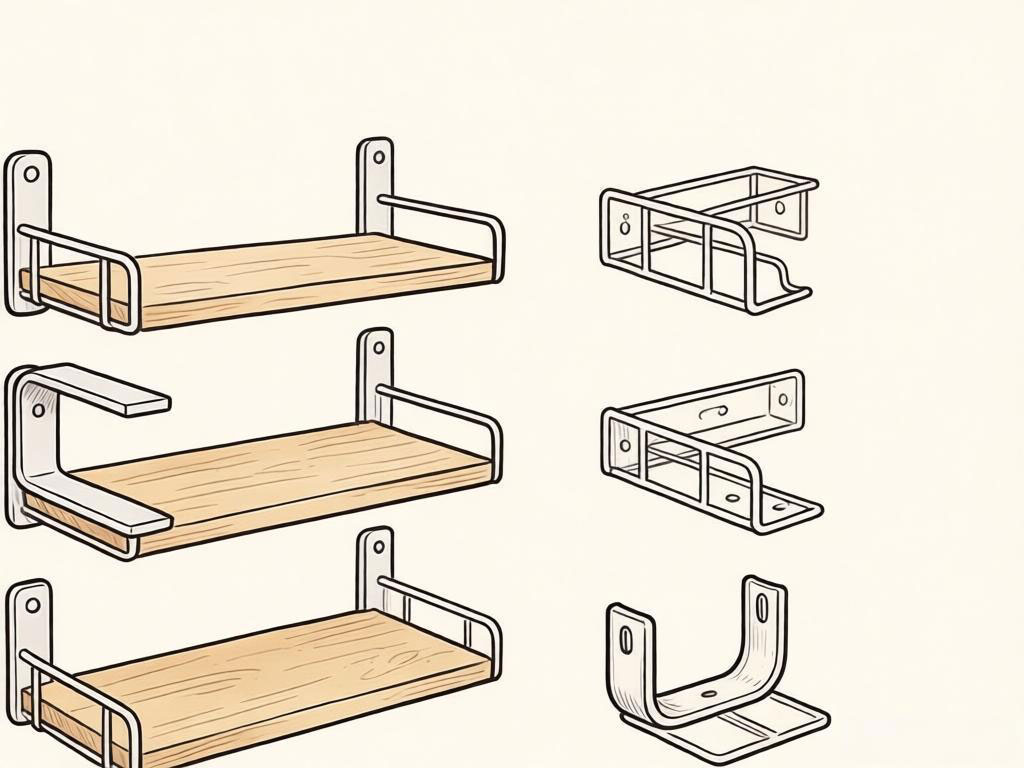
Hole position reference: Strictly follow the 32mm standard spacing (international standard for furniture manufacturing)
Number of side panels: Install 2 shelf supports on each side of each shelf
Front and rear positions: 1/4 shelf depth from the front and rear edges for the most balanced force
Load-bearing spacing: Heavy load (>20kg) spacing 200–300mm; light load (<15kg) spacing 400–500mm
Long shelf reinforcement: If the shelf length exceeds 800mm, add one set of shelf supports in the middle to prevent sagging in the middle
Before installation: Be sure to use a level to mark lines, ensuring the hole position is level to avoid shelf tilt
Mismatched size: 6mm support in an 8mm hole causes looseness and shaking; conversely, it cannot be inserted
Excessive spacing: Exceeding 500mm causes sagging and deformation in the middle of the shelf
Overloading: Plastic supports bearing heavy objects (>15kg) will break directly
Slanted hole position: Non-level drilling causes shelf tilt and uneven force
Not drilling pilot holes: Direct drilling causes board cracking and edge chipping
Wrong direction: L-shaped support opening facing inward cannot support the shelf edge
| Type | Material | Load-bearing Capacity | Applicable Scenarios |
| Cylindrical Shelf Support | Nickel-plated steel | 20–30kg | Bookshelves, ordinary storage cabinets, household cabinets |
| L-shaped Bracket Shelf Support | Zinc alloy | 30–50kg | Industrial cabinets, heavy load cabinets, garage cabinets |
| Spoon Type Shelf Support | Steel | 25–40kg | Kitchen cabinets, bathroom cabinets, easy-to-clean scenarios |
| Lock Type Shelf Support | Steel | 25–45kg | Vibrating environments, RV cabinets, safety cabinets |
| Plastic Shelf Support | ABS | 5–15kg | Display cabinets, decorative cabinets, light cabinets |
Shelf supports are the foundation of furniture stability and functionality. Choosing the right material, specification, and type, combined with standard installation, can provide load-bearing, stability, adjustability, and durability. Sichuan Huaguang Intelligent Hardware Technology Co., Ltd., with 30 years of craftsmanship, offers high-end MeiKi shelf supports with precision craftsmanship, strict quality control, and stable quality, serving global furniture projects and exporting to Europe, Southeast Asia, Central Asia, South America, and other regions. MeiKi is a reliable hardware partner in the furniture industry. Choose MeiKi for shelf supports that are stable, accurate, and durable.